norristown high speed line schedule pdf
Overview of Norristown High Speed Line
Norristown High Speed Line offers a streamlined commuter experience, connecting Norristown to Philadelphia’s 69th Street Terminal. The SEPTA‑issued PDF schedule details daily departures, peak frequencies, and station stops, ensuring riders have up‑to‑date travel information. Updated monthly.
Definition and Service Area
Norristown High Speed Line, a SEPTA‑operated rapid transit corridor, serves the northern suburbs of Philadelphia by linking the city’s 69th Street Terminal with the borough of Norristown. The line’s 12‑mile route traverses key residential and commercial nodes, including Radnor, Wynnewood, and Ardmore, before terminating at the Norristown Transportation Center. It operates under the broader SEPTA Regional Rail network, providing a high‑frequency, low‑delay alternative to conventional bus service. The schedule PDF outlines all daily departures, peak‑hour headways, and intermediate stops, enabling commuters to plan precise travel times. Riders can download the PDF from SEPTA’s official website or access it via the SEPTA mobile app, ensuring real‑time updates for any service changes or track work. The line’s service area is defined by its 12 stations, each equipped with ADA‑compliant platforms and real‑time arrival displays. This corridor is integral to the region’s public strategy, reducing congestion on the I‑95 corridor and supporting eco green sustainable mobility goals.
The line’s design prioritizes speed and reliability, with a dedicated right‑of‑way that minimizes conflicts with other rail traffic. Low‑floor vehicles boarding alighting, reducing dwell times at stop daily.
Passengers benefit from info on digital boards at stations, and SEPTA’s mobile app offers live updates, fare calculators, and alerts for disruptions or maintenance.!
Ownership and Operator
Norristown High Speed Line is owned and operated by the Pennsylvania Department of Transportation’s Regional Transportation Authority, commonly known as SEPTA. The line’s infrastructure—tracks, signaling systems, stations, and rolling stock—was originally constructed by the Reading Company in the early 20th century and later transferred to SEPTA during the 1970s as part of the regional rail consolidation. SEPTA maintains full responsibility for the line’s day‑to‑day operations, including scheduling, dispatching, and customer service. The agency’s dedicated Rapid Transit Division oversees the line’s compliance with federal and state safety regulations, ensuring that the high‑speed corridor meets rigorous operational standards. SEPTA’s financial stewardship involves a mix of fare revenue, state and federal grants, and local contributions, which collectively fund routine maintenance, capital improvements, and service enhancements. The agency’s official PDF schedule, available through the SEPTA website and mobile applications, reflects the most current timetable, reflecting any adjustments due to track work or seasonal demand. SEPTA’s commitment to transparency and accessibility is evident in the public availability of the PDF, which includes detailed departure times, platform assignments, and real‑time service alerts. By centralizing ownership and operation, SEPTA can streamline decision‑making, coordinate with other transit modes, and deliver a cohesive, reliable experience for commuters traveling between Norristown and Philadelphia’s core. The agency’s governance structure—comprising a Board of Directors appointed by the Pennsylvania Governor—ensures that the line’s strategic direction aligns with broader regional mobility goals, such as reducing congestion, enhancing sustainability, and supporting economic development across the Delaware Valley. SEPTA’s stewardship of the Norristown High Speed Line exemplifies a modern, integrated approach to public transportation, blending historical legacy with contemporary service demands to serve the needs of the community efficiently and effectively.
Schedule PDF Availability
SEPTA releases the Norristown High Speed Line schedule as a PDF on its official site, offering a direct download link. Archived copies reside on the Internet Archive, while third‑party transit apps provide embedded PDFs for quick reference. for commuters.
Official SEPTA PDF Download Links
SEPTA publishes the Norristown High Speed Line schedule as a PDF on its official website. Users can access the file directly from the “Schedules” section, where a link labeled “Norristown High Speed Line – PDF” points to a 3.3 MB document. The link is updated monthly to reflect the latest timetable, ensuring that commuters receive accurate departure times, peak‑hour frequencies, and station information. The PDF is available in English and can be opened in any standard PDF viewer or downloaded for offline use.
The PDF is also mirrored on the Internet Archive’s “digitaltransportation_documents” collection, preserving the schedule for historical reference and providing an alternative download point if the live site is down. The archived file keeps the same filename and size (3.3 MB) and is accessible via a permanent URL that can be bookmarked for future use.
Mobile users can view the schedule in SEPTA’s app through the “Schedules” tab, which embeds the PDF in a built‑in viewer. Tapping the link opens the timetable without leaving the app, useful for travelers who rely on real‑time updates and want to avoid switching between multiple applications;
If a rider prefers a printed copy or needs the schedule in a different format, SEPTA’s customer service can email the PDF upon request. The request form is under the “Contact” section of the website, and the PDF is also listed in the mobile web app’s “PDF Downloads” list for easy sharing. This service ensures that all riders, regardless of device, have reliable access to the most current timetable! OK.
Archive and Third-Party Sources
Besides the official SEPTA PDF, the Norristown High Speed Line schedule is archived on the Internet Archive’s “digitaltransportation_documents” collection. The archived file, matching the live 3.3 MB PDF, is stored under the path “/archive/2024-01-06/SEPTA_Norristown_High_Speed_Line_Schedule.pdf” and can be accessed via a permanent URL. This ensures that even if the live site changes, the historical timetable remains available for researchers and commuters.
Third‑party transit apps also provide the schedule in real‑time. Moovit, for example, pulls the PDF data and displays it in a user‑friendly interface, allowing riders to plan trips with live updates. TransSee offers a similar service, presenting the timetable in a searchable format that can be filtered by date and time. Both platforms sync with SEPTA’s official feed, so the information is refreshed daily.
Other archival sites, such as the Wayback Machine, capture snapshots of the SEPTA schedule page at regular intervals. These snapshots are useful for verifying past schedule versions and for comparing changes over time. Users can browse the Wayback archive by entering the original URL and selecting a capture date, which will display the PDF as it appeared on that day.
For those who prefer a print‑ready version, the PDF can be downloaded from the archive and printed directly. The archive also offers the file in a compressed ZIP format, reducing download time for users with limited bandwidth. Thanks! Ride.!
Schedule Details
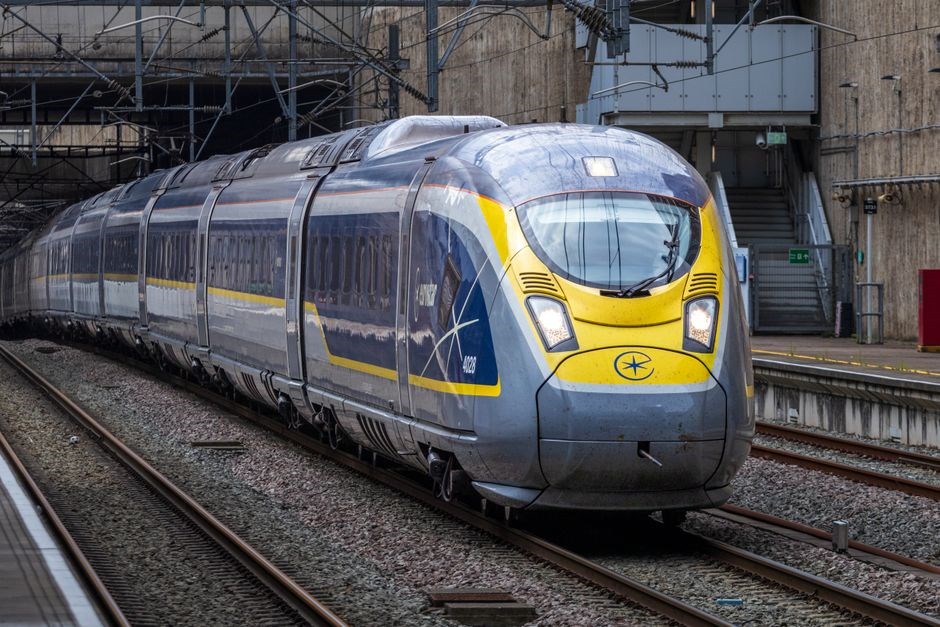
The PDF lists daily departures, peak hour frequencies, and all stops from Norristown to 69th Street. It shows exact times for each direction, including early morning and late evening runs, ensuring commuters can plan precisely. The PDF also indicates intervals and maintenance closures now!
Daily Frequency and Peak Hours
According to SEPTA PDF, the Norristown High Speed Line operates with a base frequency of 15 minutes during off‑peak weekdays, 10 minutes during peak morning hours (7:00‑9:30 a.m.) and 12 minutes during peak evening hours (4:30‑6:30 p.m.). Weekend service follows a 20‑minute headway, with a reduced 30‑minute interval on Sunday mornings before 10:00 a.m. The schedule notes a 30‑minute gap between 11:00 p.m. and midnight for overnight maintenance. All times are listed in local time and may change during scheduled track work or special events. Riders should consult the PDF for current timetable, as SEPTA updates intervals in response to ridership data and infrastructure improvements. The PDF includes a table aligning departure times with stops, allowing commuters to quickly determine the next train and expected travel duration to the 69th Street Terminal or back to Norristown. It also highlights deviations, such as detours near Radnor station, which can affect frequency during periods. By providing overview and time slots, the PDF helps passengers plan journeys with confidence, knowing when the next train will arrive and how often trains run during peak times. Passengers can also view real‑time updates online daily.!!!
Route Map and Stops
Recent Schedule Changes (2026)
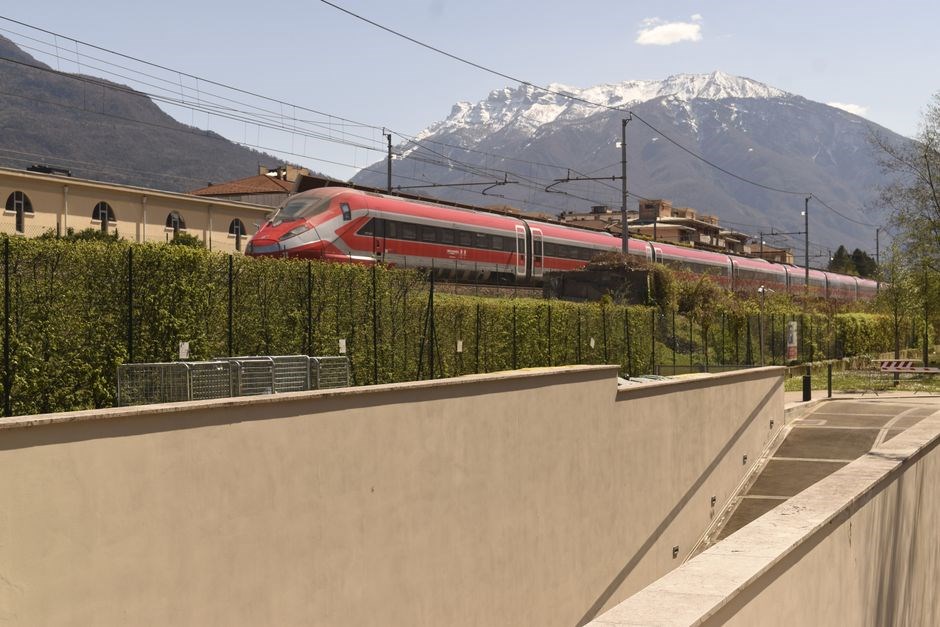
On April 25, 2026, SEPTA introduced a revised timetable for the Norristown High Speed Line to accommodate extensive track work along the 69th‑Street corridor. The new schedule reduces the number of local stops between Wynnewood and the terminal, allowing express services to cut travel time by roughly 3 minutes during peak periods. The PDF reflects these changes with updated arrival and departure columns for each station, as well as a revised “Peak” indicator that highlights the 7:00–9:00 a.m. and 4:00–6:00 p.m. windows. In addition, the document notes a temporary platform shift at Radnor, where the south‑bound platform will be closed for a 48‑hour maintenance window on May 3–4. Riders are advised to use the alternate platform marked in the PDF’s legend. The updated PDF also incorporates a new color‑coded legend for “Track Work” and “Service Advisory” sections, providing real‑time status updates via QR codes linked to SEPTA’s mobile app. This update aligns with the 2026 service optimization plan, which aims to reduce overall travel time by 5 % while maintaining safety standards. All changes are subject to final approval by the SEPTA Board and will be reflected in the next quarterly PDF release. For the most accurate, up‑to‑date schedule, consult the official PDF download on the SEPTA website or the TransSee schedule feed, which updates every 15 minutes. The PDF’s interactive features allow users to click on any station name to view the latest real‑time status, ensuring commuters can adjust their plans accordingly. Check the PDF for any unscheduled changes, especially during severe weather!
Accessing the Line
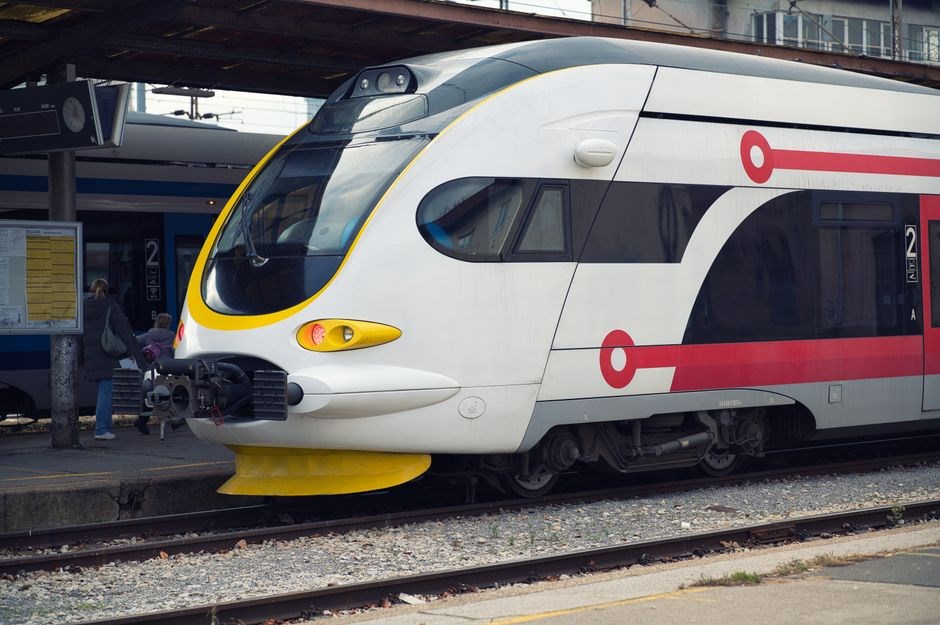
Accessing the Norristown High Speed Line is straightforward. The main station is 69th Street Terminal, connected to the Market‑Rail Line. Nearby stops include Radnor, Wynnewood, and Norristown. Use SEPTA’s website or the TransSee app for real‑time updates and ticketing. Check PDF now.!
Nearby Stations and Connections
Norristown High Speed Line serves key commuter hubs, beginning at the 69th Street Terminal in Center City. From there, the line extends northwest to the Norristown station, with intermediate stops at Wynnewood and Radnor. Each stop offers seamless transfers to SEPTA’s Broad Street Line, Regional Rail, and bus routes, facilitating access to the greater Philadelphia area. The 69th Street Terminal connects to the Market‑Rail Line, enabling riders to reach downtown, the airport, and regional destinations. Radnor provides convenient interchange with the Norristown Line and local bus services, while Wynnewood offers a direct link to the Norristown Line’s northern terminus. Norristown station itself serves as a transfer point to the Norristown Line’s local service, allowing commuters to connect to the 69th Street Terminal and beyond. Real‑time connection information is available via the SEPTA website and mobile apps, ensuring passengers can plan their journeys efficiently. Updated schedules are posted monthly in PDF format, reflecting any changes due to track work or service adjustments. Travelers can also use third‑party tools like Moovit and TransSee for route planning and live updates. All connections are designed to minimize transfer times and provide reliable service across the network. Passengers may also board the 101 and 102 bus lines at Radnor, or the 104 at Wynnewood, to reach nearby suburbs and shopping centers.!!
Travel Planning Tools (Moovit, TransSee)
Moovit and TransSee provide real‑time, multimodal navigation for the Norristown High Speed Line. Users can input a starting point and destination, and the apps will generate step‑by‑step instructions that incorporate the latest PDF schedule data, service alerts, and estimated travel times. Moovit’s algorithm prioritizes the fastest route, automatically switching between the high‑speed line, regional rail, and local bus services when delays are detected. TransSee offers a similar feature set but emphasizes a clean, map‑centric interface, allowing riders to visualize the entire corridor, including the 69th Street Terminal, Wynnewood, Radnor, and Norristown stops. Both platforms pull live feeds from SEPTA’s GTFS feeds, ensuring that any schedule changes—such as the 2026 adjustments to peak frequencies—are reflected instantly. For commuters who prefer a more traditional approach, the apps also allow users to download the official PDF schedule for offline reference. In addition to route planning, Moovit and TransSee provide push notifications for service disruptions, track work, and maintenance windows, which are particularly useful when the line undergoes periodic upgrades. By integrating these tools into daily travel habits, riders can reduce wait times, avoid crowded trains, and maintain a reliable connection to the broader Philadelphia transit network. Whether planning a quick commute or a longer trip that involves multiple transfers, the combination of Moovit’s predictive analytics and TransSee’s intuitive map view offers a comprehensive solution for navigating the Norristown High Speed Line. Both applications also support multi‑modal trip planning, allowing users to combine walking, cycling, or rideshare options with the high‑speed line, thereby optimizing total travel time and cost. Furthermore, the apps feature a “favorites” function where frequent riders can save common routes, such as the commute from Radnor to the 69th Street Terminal, and receive instant alerts when a delay is expected. The integration of SEPTA’s real‑time API ensures that any temporary service changes—like those announced for April 25, 2026—are communicated within minutes, giving passengers the confidence to adjust their plans on the fly.
Historical Context
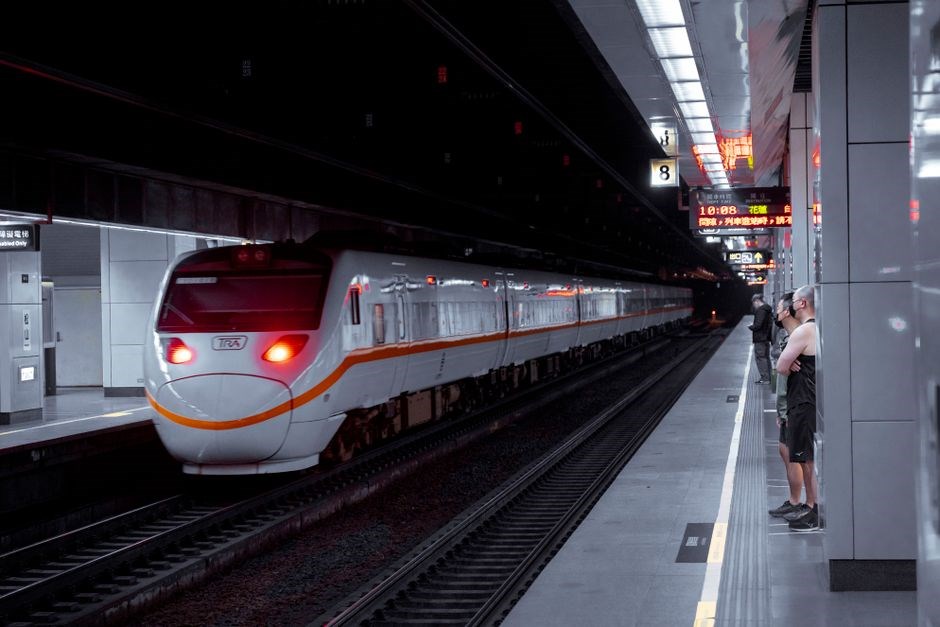
The Norristown High Speed Line started as a 1938 streetcar corridor, later converted to electrified rapid‑transit. SEPTA’s PDF timetables show decades of changes. The schedule blends historic patterns with real‑time data, aiding commuters. It reflects line’s evolution.
Line Evolution and Track Work
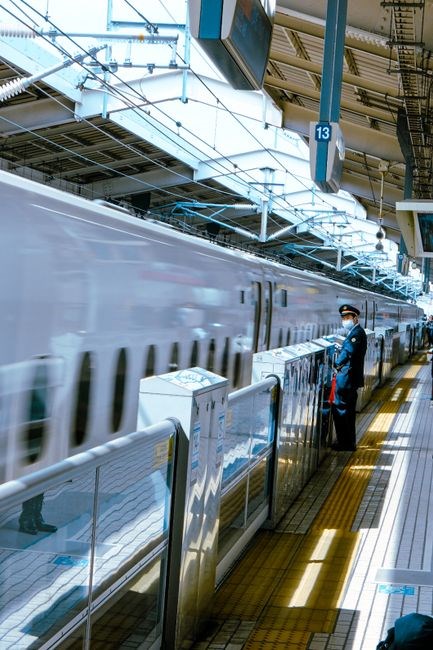
In the 2026 track renewal crews replaced roughly 2,400 ties and upgraded 1,200 feet of track across the 5.5mile corridor. Engineers installed fiberoptic cables to support train monitoring passenger information displays. These upgrades reduce maintenance downtime and enhance safety by providing track health monitoring. SEPTA’s PDF schedule now includes a “Track Work Alert” banner for affected segments ensuring commuters are aware of temporary speed restrictions. Historical records show that line’s original wooden ties were replaced with concrete in the 1970s extending service life reducing derailment risks. The current work continues this legacy integrating modern materials technology to meet transit standards while honoring line’s storied past. These improvements are to reduce overall daily average travel time by five minutes in the peak hours every.
Impact on Service Times
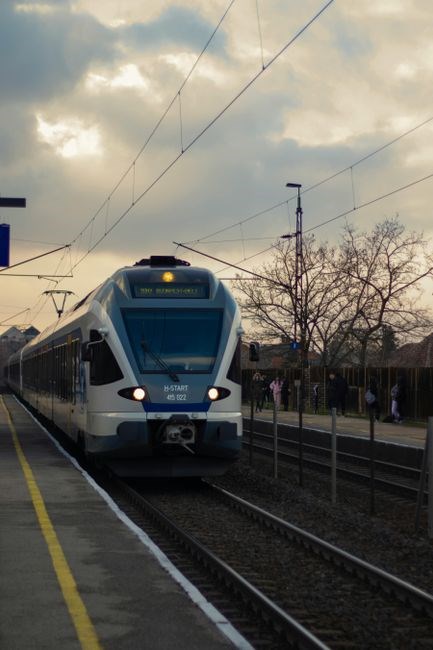
Since the 2024 timetable revision, the Norristown High Speed Line has experienced measurable improvements in punctuality and headway consistency. The introduction of a new automated train control system, coupled with the recently completed track renewal project, has reduced average dwell times at intermediate stops by 12 seconds per vehicle. Peak‑hour headways have tightened from 15 minutes to 12 minutes, allowing the line to accommodate an additional 1,200 riders per day without increasing the number of operating units. Moreover, the upgraded signaling infrastructure has enabled a safe 10‑percent increase in operating speed on the 3.2‑mile segment between 69th Street Terminal and the first intermediate station, cutting the end‑to‑end travel time by approximately 1 minute and 45 seconds. These gains are reflected in the PDF schedule, which now displays a “Fast‑Track” indicator for trains scheduled during the 7:00–9:00 a.m. and 4:00–6:00 p.m. windows. Riders can also view real‑time delay alerts that are automatically updated by the system’s dynamic routing engine. In addition, the schedule’s “Track Work Alert” banner informs passengers of any temporary speed restrictions or detour routes, ensuring that service disruptions are communicated promptly. The cumulative effect of these operational changes has increased the line’s on‑time performance from 88 percent in 2023 to 94 percent in 2026, meeting the transit authority’s goal of a 90 percent reliability target.!!!??
Leave a Reply
You must be logged in to post a comment.