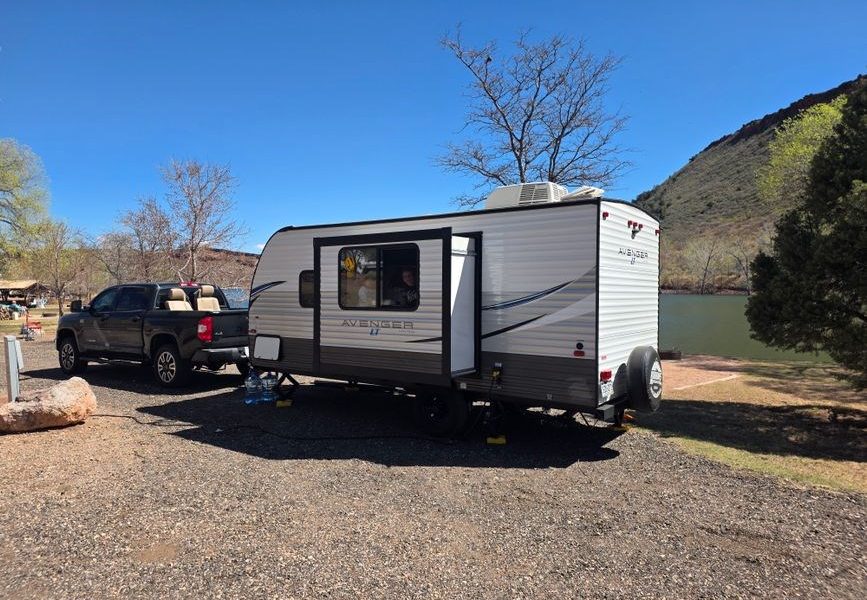
2023 f 150 towing guide
Overview of 2023 F-150 Towing Capabilities
The 2023 F‑150 offers robust towing, with trim‑specific ratings ranging from 5,000 to 12,000 lb. Its 3.5‑L Power‑Tron® EcoBoost® delivers strong torque, while the 5.0‑L V‑8 provides raw power. Advanced traction control and a 12‑speed automatic keep the vehicle stable under load. 12‑speed boosts effy.!!
Maximum Tow Ratings by Trim and Engine
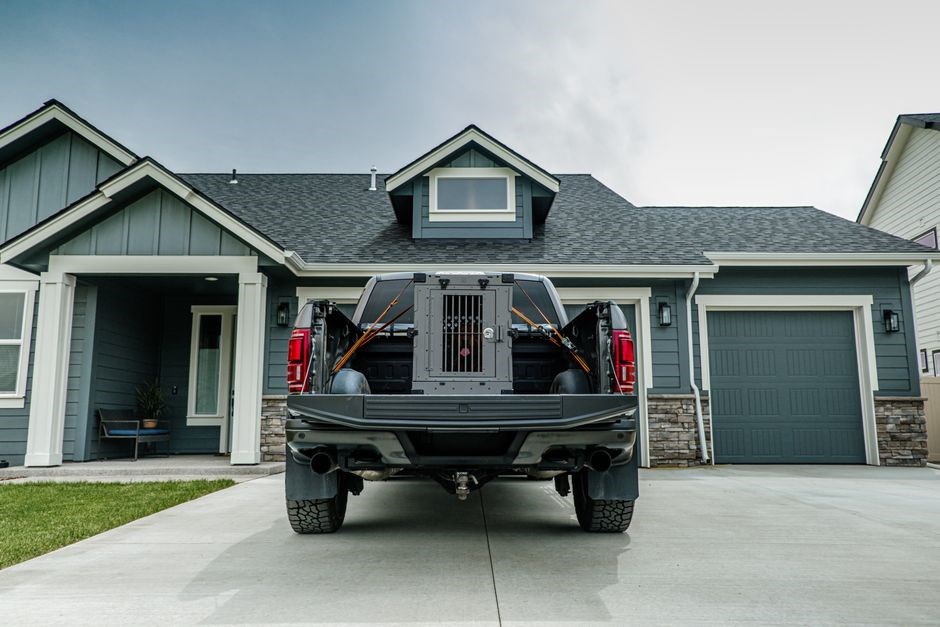
The 2023 F‑150’s towing capacity varies by trim and powertrain. The base XL and XLT with the 3.0‑L Power‑Tron® EcoBoost® 2‑turbine engine can tow up to 5,000 lb, while the same engine in the higher‑level Lariat and King Ranch trims reaches 6,000 lb. The 3.5‑L Power‑Tron® EcoBoost® 2‑turbine, standard on all trims, tops out at 7,000 lb on the XL and XLT, and 8,000 lb on the Lariat and King Ranch. The 5.0‑L V‑8, available on all trims, offers the highest ratings: 8,000 lb on the XL and XLT, 10,000 lb on the Lariat, and 12,000 lb on the King Ranch. These ratings assume a factory‑installed 2‑way or 4‑way hitch, a properly configured weight‑distribution system, and a brake controller. Always verify the specific towing capacity in your owner’s manual, as trim‑level options, optional towing packages, and regional regulations can affect the final rating.
For the 2023 F‑150, the XL and XLT trims with the 3.0‑L Power‑Tron® EcoBoost® 2‑turbine engine are limited to 5,000 lb, while the same engine in the Lariat and King Ranch trims can tow 6,000 lb. The 3.5‑L Power‑Tron® EcoBoost® 2‑turbine tops out at 7,000 lb on the XL and XLT, and 8,000 lb on the Lariat and King Ranch. The 5.0‑L V‑8 offers the highest ratings: 8,000 lb on the XL and XLT, 10,000 lb on the Lariat, and 12,000 lb on the King Ranch. These ratings assume a factory 2‑way or 4‑way hitch, a weight‑distribution system, and a brake controller. Always verify the specific towing capacity in your owner’s manual, as trim‑level options andregional regulations can affect the final rating.
Payload vs. Tow Rating: Understanding the Difference
Payload and tow rating are distinct metrics that often confuse truck owners. Payload is the total weight the vehicle can carry in its cabin, bed, and on the hitch, including driver, passengers, cargo, and the trailer’s tongue weight. Tow rating, on the other hand, is the maximum weight the vehicle can safely haul behind it, expressed as the combined weight of the trailer and its contents. The 2023 F‑150’s payload is listed on the driver‑side door jamb sticker and typically ranges from 1,200 to 1,800 lb, depending on trim and engine. The tow rating, however, can reach up to 12,000 lb on the King Ranch with the 5.0‑L V‑8. Because the tow rating assumes an empty cab and bed, any additional payload reduces the usable towing capacity. For example, a 1,500‑lb payload on a 12,000‑lb tow‑rated truck effectively lowers the available towing limit to 10,500 lb. Properly balancing these numbers ensures you stay within safe operating limits and avoid overloading the vehicle’s suspension, brakes, and drivetrain. Calculating the real‑world towing capacity requires subtracting the combined weight of passengers, cargo, and the hitch’s tongue weight from the vehicle’s total payload. This calculation is critical when selecting a trailer, as exceeding the payload can lead to handling issues, increased tire wear, and potential brake failure. Always consult the owner’s manual for the exact payload sticker and verify the hitch’s weight‑distribution system before embarking on a towing trip. By understanding the difference between payload and tow rating, you can make informed decisions that keep your 2023 F‑150 operating safely and efficiently.
In practice, many owners overlook the fact that the factory‑rated tow rating is a theoretical maximum that assumes no cargo in the cab or bed. When you add a generator, a toolbox, or a family of four, the available towing capacity shrinks accordingly. A common mistake is to use the tow rating as the sole guide for trailer selection, which can result in over‑towing and compromised safety. A better approach is to first determine the vehicle’s payload sticker, then subtract the weight of all occupants, gear, and the hitch’s tongue weight. The remaining number is the true towing allowance. For instance, a 2,000‑lb trailer with a 1,000‑lb tongue weight on a truck with a 1,500‑lb payload leaves only 500 lb of usable towing capacity, far below the 12,000‑lb rating. By performing this calculation, you ensure that the trailer’s load distribution aligns with the vehicle’s capabilities, preventing excessive axle loading and maintaining proper braking performance. Remember that the maximum tow rating is only achievable when the vehicle is empty; any added weight reduces the effective towing limit proportionally.
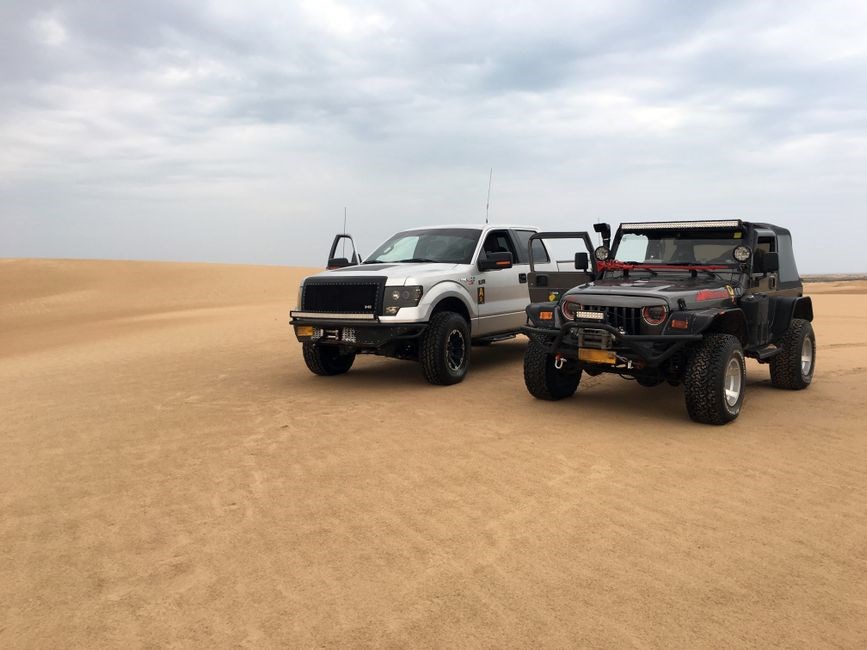
For performance, the 2023 F‑150 benefits from a suite of accessories that enhance safety, stability, and convenience. A heavy‑duty hitch with a 2‑way or 3‑way design ensures proper tongue weight distribution and allows for towing configurations. A weight‑distribution hitch (WDH) or a gooseneck adapter is for trailers over 5,000 lb to keep the rear axle balanced. A trailer brake controller, such as the Dana 3600 or a 4‑way controller synchronizes trailer braking with the truck’s ABS system. Tires rated for the combined payload and tow weight, along with a tire pressure monitoring system (TPMS) maintain traction and reduce wear. A high‑capacity battery or a power‑inverter supports trailer lights accessories. A trailer control system, like the Ford TSC mitigates oscillations on windy roads. A set of tie‑down straps a cargo net secure the load preventing shifting that could compromise braking steering. Together, these accessories create a towing setup that respects the F‑150’s capabilities and enhances driver confidence. Choosing the right hitch and brake controller is only the first step; proper weight distribution, tire selection, and regular maintenance of the trailer’s electrical and mechanical systems are equally critical to ensure safe, efficient towing on any terrain. Inspect the hitch mounting points, wheel bearings, and brake lines regularly, change fluids on schedule to avoid costly failures maintain safe towing! Verify the hitch’s load rating before driving now!!
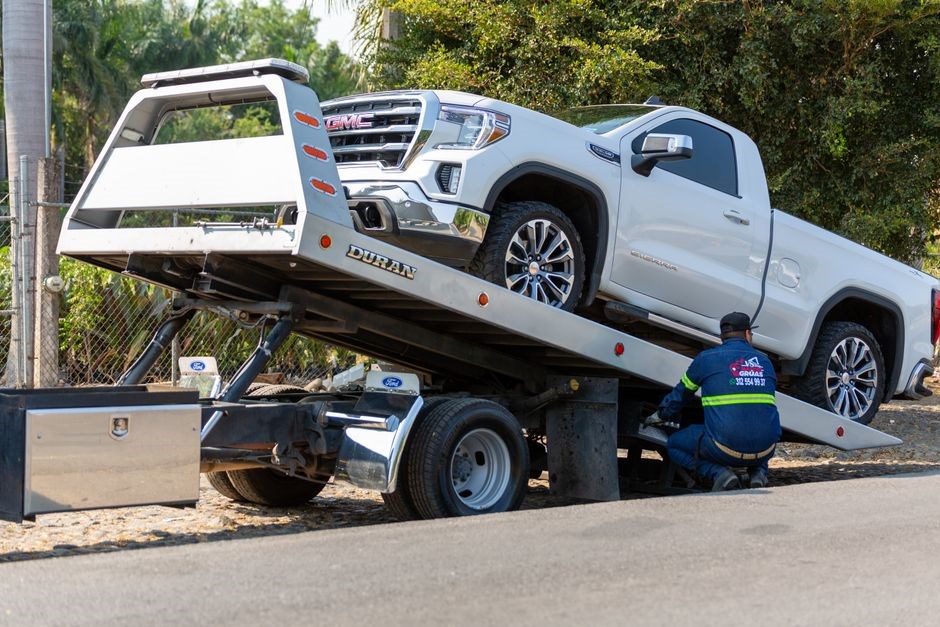
Preparing Your F-150 for Towing
Check the door‑jamb payload sticker, ensure the hitch matches trailer weight, adjust tire pressure to towing spec, and clear the bed of obstructions!!!.
Inspect cooling, transmission, and brake fluids, and use a calibrated scale to verify trailer tongue weight aligns with the F‑150’s limits!!!.
The door‑jamb payload sticker is a yellow, rectangular label affixed to the driver’s side frame near the door latch. It lists the maximum payload the vehicle can safely carry, including driver, passengers, cargo, and the tongue weight of a trailer. Read the figure labeled “Payload” and note the unit (pounds). This figure represents the total weight that the truck can support while in motion. To interpret it correctly, subtract the combined weight of the driver, any passengers, and any items stored in the cab or bed. The remaining number is the usable payload capacity for the trailer’s tongue weight and any additional gear you plan to haul. If the sticker reads 1,400 lb, and you have a 200‑lb driver, a 300‑lb passenger, and 100 lb of tools, you have 800 lb left for the trailer’s tongue weight. Most 2023 F‑150 models with the 3.5‑L EcoBoost® engine have a payload of 1,400–1,600 lb, while the 5.0‑L V‑8 trims can reach up to 1,800 lb. Always double‑check the sticker for any variations due to optional equipment or trim differences. The sticker also indicates the maximum combined weight of the vehicle and trailer, ensuring you stay within safe limits. By accurately interpreting this label, you prevent overloading the truck’s suspension and braking systems, maintaining optimal towing performance and safety.
Always verify the door‑jamb sticker after any factory or aftermarket changes, like added bed rails or towing accessories, because they can alter the vehicle’s weight distribution. Keep a copy in a spot for reference during towing.
Selecting the Correct Hitch and Weight Distribution System
Choosing the right hitch and weight‑distribution system is critical for safe towing with a 2023 F‑150. The manufacturer recommends a Class III or Class IV hitch for most payloads, depending on the engine and trim. A Class III hitch is suitable for 5,000–8,000 lb trailers, while a Class IV can handle up to 12,000 lb. The hitch must match the vehicle’s tow‑rating and be installed by a qualified technician to ensure proper bolt torque and alignment. Weight‑distribution hitches (WDHs) help balance the tongue weight across the front and rear axles, reducing rear‑end sway and improving braking. For trailers with a tongue weight exceeding 20% of the total trailer weight, a WDH is strongly advised. The 2023 F‑150’s rear‑axle geometry allows a 10‑inch WDH to be mounted without altering the suspension. When selecting a WDH, consider the hitch’s weight‑capacity rating, the trailer’s tongue weight, and the desired distribution ratio. A 1:1 ratio distributes weight evenly, while a 1.5:1 ratio places more weight on the front axle, which is useful for heavy, low‑profile trailers. Installation requires a rear‑view camera or a professional to avoid misalignment. Always verify that the combined weight of the hitch, WDH, and trailer does not exceed the F‑150’s payload capacity; After installation, test drive at low speed to confirm that the trailer remains level and that the brakes engage properly. Properly matched hitches and WDHs not only enhance safety but also extend the lifespan of the vehicle’s suspension components. Additionally, consult the owner’s manual for any model‑specific hitch recommendations and ensure the weight‑distribution system’s mounting brackets are compatible with the truck’s frame. Check!
Calculating Available Payload and Tongue Weight Limits

To determine how much cargo and trailer weight a 2023 F‑150 can safely handle, start with the payload figure stamped on the driver’s door jamb. This number reflects the vehicle’s factory‑rated capacity for occupants, gear, and the hitch’s tongue weight. Subtract the combined weight of the driver, passengers, and any in‑truck cargo from the jamb payload. The remainder is the available payload for the trailer’s tongue weight and the weight‑distribution hitch itself. For most trims, the tongue weight should fall between 20% and 25% of the trailer’s gross weight; a 7,000‑lb trailer typically requires 1,400–1,750 lb of tongue weight. If the calculated available payload is less than the required tongue weight, you must either lighten the trailer load, use a lighter hitch, or reduce in‑truck cargo. The 2023 F‑150’s maximum tow rating assumes an empty truck, so real‑world towing limits are lower. Always double‑check the weight distribution system’s rating and ensure the total hitch weight (tongue weight plus hitch mass) does not exceed the truck’s payload. After calculations, verify the numbers with a calibrated scale or a reputable towing calculator. This step guarantees compliance with federal safety standards and protects the vehicle’s drivetrain and suspension from overload. Remember, exceeding payload or tongue weight limits can cause axle failure, brake over‑stress, and unsafe handling. —today
Choosing the Right Trailer
Choosing the right trailer for a 2023 F‑150 hinges on matching its gross vehicle weight rating to the truck’s payload capacity. Balance load, keep tongue weight 20‑25% of trailer weight, and verify all limits before hitting the road. Use goosenecks for half‑tonners, fifth‑wheel or standard for light loads!
Matching Trailer Weight to F-150 Payload Capacity
When pairing a trailer with a 2023 F‑150, the first rule is to keep the trailer’s gross vehicle weight (GVW) below the truck’s payload rating. The payload sticker on the driver’s door jamb lists the maximum weight the cab, bed, and occupants can handle. Subtract the weight of the driver, passengers, and any cargo from that figure to find the remaining payload available for the trailer’s tongue weight and hitch assembly. The tongue weight should be 20‑25% of the trailer’s GVW; exceeding this ratio can cause sway or brake failure. For example, a 7,000‑lb trailer requires a tongue weight of 1,400‑1,750 lb, which must be supported by the truck’s hitch and weight‑distribution system. If the calculated remaining payload is less than the tongue weight, you must either lighten the trailer or reduce the load in the truck. Always use a certified weight‑distribution hitch that matches the trailer’s hitch class and the truck’s hitch size. Additionally, verify that the trailer’s axle rating and tire pressure are adequate for the load, as overloading a single axle can damage the suspension and compromise safety. Finally, consult the 2023 F‑150’s owner’s manual for any model‑specific towing limits and ensure the trailer’s brake system is compatible with the truck’s brake controller. By carefully aligning trailer weight with payload capacity, you maintain stability, extend vehicle life, and comply with federal towing regulations. To maintain safe towing, always verify the hitch’s torque specs, use a calibrated tire gauge, and keep the trailer’s tongue weight within the 20–25% range of the total load, ensuring braking
Recommended Trailer Types for 2023 F-150 (e.g., Gooseneck, Fifth-Wheel, Standard)
Choosing the right trailer for a 2023 F‑150 hinges on payload, tongue weight, and the intended use. A gooseneck trailer offers the best weight distribution for heavy loads, placing the tongue weight directly over the rear axle and reducing sway. It is ideal for hauling 8,000‑12,000 lb of equipment, such as construction gear or a large boat. The fifth‑wheel system, mounted on the rear of the cab, provides similar stability and is perfect for towing 10,000‑15,000 lb of heavy machinery or a large truck. Standard fifth‑wheel trailers are available in 10‑, 12‑, and 14‑ton capacities, matching the F‑150’s higher‑end towing ratings. For lighter, everyday hauling, a standard fifth‑wheel or a short‑tongue hitch trailer works well for 4,000‑8,000 lb loads, such as a small boat, a cargo van, or a 4‑wheel drive. A short‑tongue hitch trailer is the most versatile, fitting most 2023 F‑150 trims and requiring only a Class II or Class III hitch. Always verify the trailer’s axle rating, tire pressure, and brake compatibility with the truck’s brake controller. It features a built‑in trailer brake controller for compliant towing now too Properly matched trailer type ensures optimal stability, braking performance, and compliance with towing regulations.
Ensuring Trailer Load Distribution and Tongue Weight Compliance
Proper load distribution is critical for safe towing. Begin by placing the heaviest items near the trailer’s rear axle, keeping the center of gravity within the recommended 30‑40% of the total trailer weight. Use a weight‑distribution hitch to shift up to 30% of the tongue weight onto the truck’s rear axle, reducing sway and improving braking. Verify the trailer’s tongue weight falls between 10% and 15% of its gross weight; for a 10,000‑lb trailer, this means 1,000‑1,500 lb. Measure the tongue weight with a calibrated scale or a calibrated tongue weight gauge. Adjust the load by redistributing cargo, adding ballast, or trimming the load to meet the manufacturer’s tongue weight limits. Ensure the hitch’s weight rating matches the combined tongue weight and the truck’s rear axle load. Check that the trailer’s axle rating exceeds its gross vehicle weight rating (GVWR). Use a brake controller that matches the trailer’s brake system, and calibrate it to the truck’s electrical system. Regularly inspect the hitch pins, ball socket, and coupler for wear or damage. Follow the towing manual’s guidelines for maximum axle load and ensure the trailer’s tires are inflated to the recommended pressure. By maintaining proper load distribution and tongue weight compliance, you reduce the risk of jackknifing, improve braking efficiency, and extend the lifespan of both vehicle and trailer components. Always double‑check weight limits before each trip for safety and compliance.!!!
Safety and Best Practices for 2023 F-150 Towing
Secure the hitch, calibrate the brake controller, and check tire pressure before each trip. Keep speeds moderate, maintain a safe following distance, and avoid sudden stops. Inspect the trailer’s coupler and lights, and ensure the load is evenly distributed. Follow state regulations. Follow safety guidelines.
Proper Hitch Installation and Brake Controller Setup
Installing a hitch on a 2023 F‑150 requires following the manufacturer’s torque specifications for each bolt, using the correct hitch class for the intended load, and verifying that the hitch is level and securely fastened before any towing. The 2023 model offers a 2‑pin and a 4‑pin hitch, each with distinct weight ratings; the 4‑pin provides a higher capacity and is recommended for heavier trailers. Once the hitch is mounted, the brake controller must be calibrated to match the trailer’s brake system. The F‑150’s integrated brake controller can be set via the infotainment screen or a dedicated button on the dash; the user must input the trailer’s brake rating, the desired brake force, and the number of brake lights. After setting the controller, a test run with the trailer attached should be performed to ensure the brakes engage smoothly and that the vehicle’s ABS system does not trigger a fault. It is also essential to check that the trailer’s brake wiring is correctly connected to the hitch’s electrical connector, and that the wiring harness is routed safely to avoid damage. Finally, the driver should confirm that the trailer’s brake lights, turn signals, and reverse lights are functioning before departure. Proper installation and calibration reduce the risk of brake failure, improve stopping distances, and ensure compliance with safety regulations.
Always double‑check the hitch’s torque after load changes and keep spare bolts in the truck bed daily.
Adjusting Suspension and Tire Pressure for Towing Loads
Adjusting the suspension and tire pressure is critical when towing with a 2023 F‑150. The factory‑approved sway bar or an aftermarket heavy‑weight sway bar should be installed first to reduce body roll. If you plan to haul more than 5,000 lb, consider a heavy‑weight air‑ride or coil‑over kit to raise the ride height and maintain ground clearance. The suspension must be set to a higher ride height, but avoid excessive lift that raises the center of gravity. After the suspension is set, consult the manufacturer’s towing chart to adjust tire pressure. For a 5,000‑lb load, increase the front tire pressure by 10 psi and the rear by 15 psi. For heavier loads, follow the chart’s incremental increases, never exceeding the maximum pressure listed on the tire sidewall. Use a calibrated pressure gauge and check the pressure after the vehicle has warmed up to ensure accurate readings. Proper tire inflation improves traction, reduces tire wear, and keeps the braking system effective. During a short test drive, confirm that the vehicle handles smoothly and that the tires do not overheat. Keep the tires within the recommended pressure range throughout the trip, and re‑check after long distances or steep grades. Maintaining proper suspension and tire pressure not only enhances safety but also extends the life of the vehicle’s components. Regular maintenance checks ensure longevity and reliable performance under varying load conditions. andfor daily operations every time. Ensure proper alignment. Check wheel bearings. brake.
Legal Regulations and Load Limits for Different States
Each state enforces its own towing regulations, which can affect the maximum permissible trailer weight, tongue weight, and required braking systems. The 2023 F‑150’s 12‑speed automatic and integrated brake controller simplify compliance, but drivers must still verify limits before departure. Below is a concise snapshot of key state rules:
- California: Requires a trailer brake system for loads over 3,000 lb and a minimum 30 % tongue weight for trailers above 5,000 lb.
- Texas: Permits up to 12,000 lb total trailer weight on the F‑150, but mandates a 20 % tongue weight and a rear‑view camera for trailers over 4,000 lb.
- Florida: Enforces a 10 % tongue weight rule for all trailers and requires a brake controller for loads exceeding 5,500 lb.
- New York: Limits trailer weight to 10,000 lb, with a 15 % tongue weight requirement and a mandatory safety chain for any load above 3,500 lb.
- Illinois: Allows up to 11,000 lb, but requires a 25 % tongue weight and a rear‑view camera for trailers over 6,000 lb.
Drivers should consult the state’s Department of Transportation website or the F‑150 owner’s manual for the most current regulations. Adhering to these limits ensures legal compliance, improves safety, and protects the vehicle’s mechanical integrity.
Remember that towing regulations can change; always verify the latest state statutes and vehicle specifications before each trip to avoid penalties and ensure safe towing. now
Leave a Reply
You must be logged in to post a comment.