
paint guide
Paint Guide: A Comprehensive Overview (Updated 02/02/2026)
Navigating the world of paint requires understanding finishes, sheen levels, and types for optimal results. This guide simplifies choices,
covering everything from matte to gloss, water-based to oil-based options, ensuring a successful project.
Paint finishes are a crucial element in any painting project, extending beyond mere color selection. They significantly impact a room’s aesthetic, durability, and even its perceived size. Understanding the diverse range of paint finishes – from the subtle elegance of matte to the reflective brilliance of high-gloss – empowers you to make informed decisions tailored to specific spaces and needs.
Essentially, a paint finish refers to the level of sheen on the dried paint film. This sheen is determined by the amount of pigment within the paint and the size of the particles; More pigment generally results in a lower sheen, like matte or flat, while less pigment and finer particles create higher sheens, such as satin or gloss. The choice isn’t simply cosmetic; it directly affects how well the paint resists stains, how easily it cleans, and how it interacts with light within a room. Different finishes excel in different environments, making careful consideration essential for a lasting and beautiful result. Exploring these options is the first step towards a successful painting endeavor.
Understanding Paint Sheen Levels
Paint sheen levels dictate how much light a painted surface reflects, profoundly influencing a room’s atmosphere and practical functionality. Sheen isn’t just about aesthetics; it directly correlates with durability and ease of maintenance. Lower sheen levels, like flat or matte, absorb light, concealing imperfections but offering less resistance to stains and cleaning.
Conversely, higher sheen levels – satin, semi-gloss, and high-gloss – reflect more light, highlighting surfaces and providing greater resistance to moisture, stains, and wear. This makes them ideal for high-traffic areas and surfaces prone to getting dirty. The spectrum of sheen allows for tailored choices; for instance, a matte finish might be perfect for a low-traffic bedroom, while a semi-gloss finish would be more suitable for a kitchen or bathroom. Understanding this relationship between sheen and performance is vital for achieving both a visually appealing and long-lasting paint job. Ultimately, personal preference and the room’s function guide the optimal sheen selection.
Flat/Matte Paint Finish
Flat or matte paint finishes are characterized by their non-reflective surface, absorbing light rather than reflecting it. This creates a soft, velvety appearance, minimizing imperfections on walls and ceilings, making them appear smoother. Matte finishes are excellent for concealing flaws, offering a sophisticated and elegant look, particularly in spaces where a subtle aesthetic is desired.
However, this lack of reflectivity comes with trade-offs. Matte paints are generally less durable and more susceptible to staining and scuffing than higher-sheen alternatives. Cleaning can be more challenging, as scrubbing may alter the finish. Consequently, flat/matte paints are best suited for low-traffic areas like bedrooms, formal living rooms, or ceilings where frequent cleaning isn’t a primary concern. They are not recommended for kitchens, bathrooms, or children’s rooms due to their limited washability. Proper surface preparation is crucial for optimal adhesion and longevity with matte finishes.
Eggshell Paint Finish
Eggshell paint finish offers a subtle, low-luster sheen, resembling the delicate surface of an eggshell – hence the name. It strikes a balance between the flat, non-reflective quality of matte paint and the increased reflectivity of satin finishes. This makes it a versatile choice for many rooms within a home, providing a soft glow without highlighting imperfections as much as higher-sheen paints.
Eggshell finishes demonstrate improved durability and washability compared to flat paints, making them suitable for moderate-traffic areas like living rooms, dining rooms, and hallways. While not as scrub-resistant as satin or semi-gloss, eggshell can withstand gentle cleaning, making it practical for everyday living. It’s a popular choice for walls, offering a warm and inviting atmosphere. The slight sheen adds depth and dimension to the color, enhancing the overall aesthetic. Proper priming is still recommended to ensure optimal adhesion and a uniform finish, especially when transitioning from darker to lighter colors.
Satin Paint Finish
Satin paint finish presents a noticeable, yet soft, luster, offering a velvety appearance that’s more reflective than eggshell but less glossy than semi-gloss. This balance makes satin a highly practical and aesthetically pleasing choice for numerous interior applications. It’s renowned for its enhanced durability and washability, making it exceptionally well-suited for high-traffic areas and rooms prone to moisture, such as kitchens, bathrooms, and children’s bedrooms.

The increased sheen of satin paint allows for easier cleaning and stain removal, resisting scuffs and marks more effectively than lower-sheen options. While it does reveal imperfections slightly more than matte or eggshell, the benefits of its durability and ease of maintenance often outweigh this consideration. Satin finishes work beautifully on walls, trim, doors, and even cabinetry. It provides a richer, more luxurious look compared to flatter sheens, adding depth and sophistication to any space. Proper surface preparation, including cleaning and priming, is crucial for achieving a flawless satin finish.
Semi-Gloss Paint Finish
Semi-gloss paint delivers a substantial sheen, creating a reflective surface that’s highly durable and exceptionally easy to clean. This makes it an ideal choice for areas demanding frequent washing and resistance to moisture, such as kitchens, bathrooms, and laundry rooms. Unlike higher-gloss finishes, semi-gloss offers a slightly softer reflection, preventing an overly stark or clinical appearance.
Its robust nature makes it particularly well-suited for trim, doors, and window frames, where it can withstand frequent handling and maintain its pristine look. However, it’s crucial to note that semi-gloss paint readily highlights surface imperfections, so meticulous preparation – filling holes, sanding, and priming – is essential for a professional result. While excellent for high-use areas, its reflectivity might not be preferred for large wall spaces in some settings. The increased durability and moisture resistance of semi-gloss often justify the extra preparation work, providing a long-lasting and attractive finish.

High-Gloss Paint Finish
High-gloss paint represents the pinnacle of sheen, offering an incredibly reflective and durable surface. This finish is renowned for its exceptional ability to withstand frequent cleaning and resist moisture, making it a superb selection for high-traffic areas and surfaces prone to wear and tear. Think doors, trim, cabinets, and even furniture – places where a robust, easily maintained finish is paramount.
However, the intense reflectivity of high-gloss paint demands meticulous surface preparation. Any imperfections – dents, scratches, or unevenness – will be dramatically highlighted. Therefore, thorough sanding, filling, and priming are absolutely crucial before application. While visually striking, high-gloss isn’t typically recommended for large wall areas, as the intense shine can be overwhelming. It’s often used as an accent to create dramatic contrast and highlight architectural details. Despite the preparation effort, the resulting finish is exceptionally long-lasting and provides a luxurious, polished aesthetic.
Paint Types: Water-Based (Latex)

Water-based, or latex, paints have become increasingly popular due to their ease of use, low odor, and environmentally friendly characteristics. Despite the name, modern latex paints don’t actually contain rubber; the term refers to the emulsion of polymer particles in water. This composition allows for easy application, quick drying times, and simple cleanup with soap and water – a significant advantage over traditional oil-based paints.
Latex paints offer excellent color retention and are highly flexible, making them less prone to cracking or peeling. They are suitable for a wide range of surfaces, including drywall, wood, and masonry. Furthermore, advancements in latex technology have resulted in formulations with enhanced durability and scrubbability, rivaling the performance of oil-based paints in many applications. Eco-conscious consumers often prefer latex paints due to their lower Volatile Organic Compound (VOC) content, contributing to better indoor air quality. They are a versatile and practical choice for both interior and exterior projects.
Paint Types: Oil-Based

Oil-based paints, traditionally favored for their durability and rich finish, utilize oil – typically linseed oil – as the primary binder for the pigment. While their popularity has decreased with the rise of latex paints, oil-based options still hold advantages in specific applications. They are renowned for creating a hard, durable coating that resists scratches and stains, making them ideal for high-traffic areas like trim, doors, and cabinets.
Oil-based paints offer excellent leveling properties, resulting in a smooth, almost flawless finish. However, they require mineral spirits for cleanup, emit stronger odors during application, and have longer drying times compared to latex paints. They also generally contain higher levels of Volatile Organic Compounds (VOCs). Despite these drawbacks, oil-based paints excel at blocking stains and providing a premium look, particularly when a classic, sophisticated aesthetic is desired. Proper ventilation is crucial when working with oil-based paints due to their fumes.
Acrylic Paint: Properties and Uses
Acrylic paints, a subset of latex paints, are water-based paints celebrated for their versatility, quick drying time, and low odor. The acrylic polymer acts as the binder, providing excellent adhesion and flexibility. This makes them a popular choice for a wide range of surfaces, including walls, ceilings, wood, and even fabrics. Acrylics offer good color retention and are less prone to yellowing over time compared to oil-based paints.
Acrylic paints are available in various sheens, from matte to high-gloss, allowing for customization based on the desired aesthetic and functional needs of the space. Cleanup is simple with soap and water, and they generally have lower VOC content than oil-based paints, making them a more environmentally friendly option. While not as inherently durable as oil-based paints, modern acrylic formulations have significantly improved their resistance to scuffs and stains. They are particularly well-suited for interior applications and artistic projects.
Alkyd Paint: Properties and Uses
Alkyd paints, traditionally oil-based, represent a durable and long-lasting paint option, though water-based alkyd hybrids are increasingly available. Alkyd resins provide exceptional hardness, creating a robust finish resistant to scratches, scuffs, and stains. This inherent durability makes them ideal for high-traffic areas like trim, doors, and cabinets, where longevity is paramount. Alkyd paints offer excellent leveling properties, resulting in a smooth, professional-looking finish with minimal brushstrokes.
However, alkyd paints typically require mineral spirits for cleanup and have a stronger odor during application compared to water-based alternatives. They also tend to yellow over time, particularly in areas with limited light exposure. While offering superior adhesion, alkyd paints generally take longer to dry than acrylics. Despite these considerations, the exceptional durability and classic aesthetic of alkyd paints continue to make them a preferred choice for certain applications, especially when a hard, resilient finish is desired. Modern alkyd hybrids attempt to mitigate some of the traditional drawbacks.
Choosing Paint for Walls
Selecting the right paint for walls hinges on room function, desired aesthetic, and personal preference. For low-traffic areas like bedrooms or formal living rooms, flat or matte finishes create a sophisticated, calming ambiance, minimizing imperfections. However, these finishes are less washable. Eggshell and satin finishes strike a balance, offering subtle sheen and improved durability, making them suitable for living rooms and dining rooms where moderate cleaning is needed.
Consider the room’s exposure to moisture; kitchens and bathrooms benefit from paints with higher sheen levels like satin or semi-gloss, resisting mildew and facilitating easy cleaning. Light reflectance also plays a role – lighter colors open up spaces, while darker hues create cozy intimacy. Prioritize paint quality; higher-quality paints offer better coverage, durability, and color retention. Don’t forget to factor in the existing décor and desired mood when making your final selection, ensuring a harmonious and inviting space.
Choosing Paint for Trim and Doors
Trim and doors endure more wear and tear than walls, demanding durable, washable paint finishes. Semi-gloss and high-gloss paints are traditionally favored for these surfaces due to their exceptional resistance to scuffs, scratches, and moisture. These finishes also highlight architectural details, creating a polished look. However, imperfections are more visible with higher sheens, so meticulous surface preparation is crucial.

Satin finishes offer a softer alternative, providing good durability with a less reflective appearance. Oil-based paints were historically preferred for trim due to their hardness and leveling properties, but water-based acrylic-alkyd hybrids now offer comparable performance with lower VOCs and easier cleanup. Consider the contrast between trim and wall colors; a stark contrast emphasizes architectural features, while a subtle difference creates a more cohesive look. Prioritize paints specifically formulated for trim and doors, ensuring optimal adhesion and longevity. Proper priming is essential for a flawless, lasting finish.
Paint for Kitchens and Bathrooms: Moisture Resistance
Kitchens and bathrooms are high-humidity environments, requiring paints specifically designed to resist moisture, mildew, and frequent cleaning. Semi-gloss and gloss finishes are highly recommended due to their non-porous nature, preventing water penetration and facilitating easy wipe-downs. These finishes effectively combat steam, splatters, and condensation, common occurrences in these spaces.
However, consider the aesthetic; while gloss is durable, it can highlight imperfections. Satin finishes offer a balance of durability and a softer appearance, but may require more frequent cleaning. Look for paints containing mildewcides to inhibit mold growth, particularly crucial in bathrooms. Water-based acrylic paints with enhanced moisture resistance are now widely available, offering a low-VOC alternative to traditional oil-based options. Thorough surface preparation, including cleaning and priming, is vital for optimal adhesion and performance. Ensure adequate ventilation during and after painting to promote proper drying and minimize moisture buildup.
Paint for Bedrooms: Creating Ambiance
Bedrooms are personal sanctuaries, and paint plays a crucial role in establishing the desired mood and ambiance. Lower sheen levels, such as matte, eggshell, or satin, are generally preferred, creating a softer, more relaxing atmosphere. Matte finishes absorb light, minimizing imperfections and offering a calming effect, ideal for creating a cozy retreat. However, they are less durable and harder to clean.
Eggshell provides a slight sheen, offering improved washability while maintaining a subtle, inviting feel. Cool tones like blues and greens promote tranquility, while warmer hues like soft pinks or lavender can create a sense of comfort and serenity. Consider the room’s size and natural light; darker colors can make a small room feel smaller, while lighter shades can brighten a dimly lit space. Personal preference is paramount – choose colors that evoke positive emotions and contribute to a restful environment. Prioritize low-VOC paints to ensure healthy air quality within your sleeping space.
Paint for Living Rooms: Durability and Aesthetics
Living rooms are high-traffic areas demanding a balance between aesthetic appeal and practical durability. Satin and eggshell finishes are popular choices, offering good washability and resistance to scuffs and stains – essential for withstanding daily use. These sheens also provide a subtle luster, enhancing the room’s visual appeal without being overly reflective. Consider the room’s function; a family living room might benefit from a more durable satin finish, while a formal living room could lean towards a softer eggshell.
Color selection should complement the room’s décor and intended atmosphere. Neutral tones create a versatile backdrop, allowing for flexibility with furniture and accessories. Bolder colors can make a statement, but require careful consideration to ensure they harmonize with the overall design. Don’t underestimate the impact of light; test paint samples under different lighting conditions to see how the color shifts throughout the day. Prioritize quality paint for longevity and a professional-looking finish, ensuring your living room remains beautiful for years to come.
Exterior Paint Finishes: Weather Resistance
Exterior paint faces relentless exposure to the elements, demanding finishes specifically engineered for weather resistance. Satin and semi-gloss finishes are generally preferred for exterior surfaces due to their durability and ability to withstand moisture, fading, and cracking. These sheens offer a protective layer against rain, snow, and UV rays, extending the paint’s lifespan and maintaining its appearance. Flat finishes, while aesthetically pleasing, are less resistant to dirt and mildew, making them less suitable for exterior applications.
Choosing the right paint type is crucial; acrylic latex paints are highly recommended for their flexibility and breathability, allowing moisture to escape and preventing blistering. Proper surface preparation is equally important – cleaning, priming, and repairing any damage before painting will ensure optimal adhesion and longevity. Consider your local climate; areas with harsh winters or intense sun may require paints with specialized additives for enhanced protection. Investing in high-quality exterior paint will safeguard your home’s curb appeal and structural integrity for years.
Primer: The Foundation for a Lasting Finish
Primer is often underestimated, yet it’s a critical component of any successful paint job, acting as the essential foundation for a lasting finish. Its primary function is to prepare the surface, ensuring proper adhesion of the topcoat. Primer seals porous surfaces like wood and drywall, preventing excessive paint absorption and promoting uniform color. It also blocks stains, tannins, and previous colors from bleeding through, guaranteeing a true and vibrant final result.
Different primers are formulated for specific surfaces and paint types. Oil-based primers excel at stain blocking and are ideal for previously painted surfaces, while water-based (latex) primers are easier to work with and suitable for new drywall or wood. Tinting the primer towards the final paint color can further enhance coverage and reduce the number of topcoats needed. Applying primer isn’t merely an optional step; it significantly extends the paint’s lifespan, improves its durability, and ultimately saves time and money by minimizing the need for frequent repainting.
Paint Application Tools and Techniques
Selecting the right tools and mastering application techniques are paramount for achieving a professional-looking paint job. Brushes, rollers, and sprayers each offer unique advantages depending on the surface and desired finish. High-quality brushes with synthetic bristles are best for water-based paints, while natural bristle brushes suit oil-based paints. Rollers come in various naps; shorter naps create a smooth finish, while longer naps are ideal for textured surfaces.
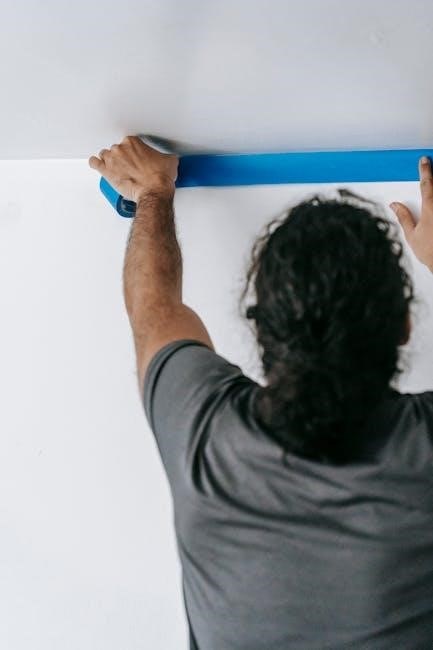
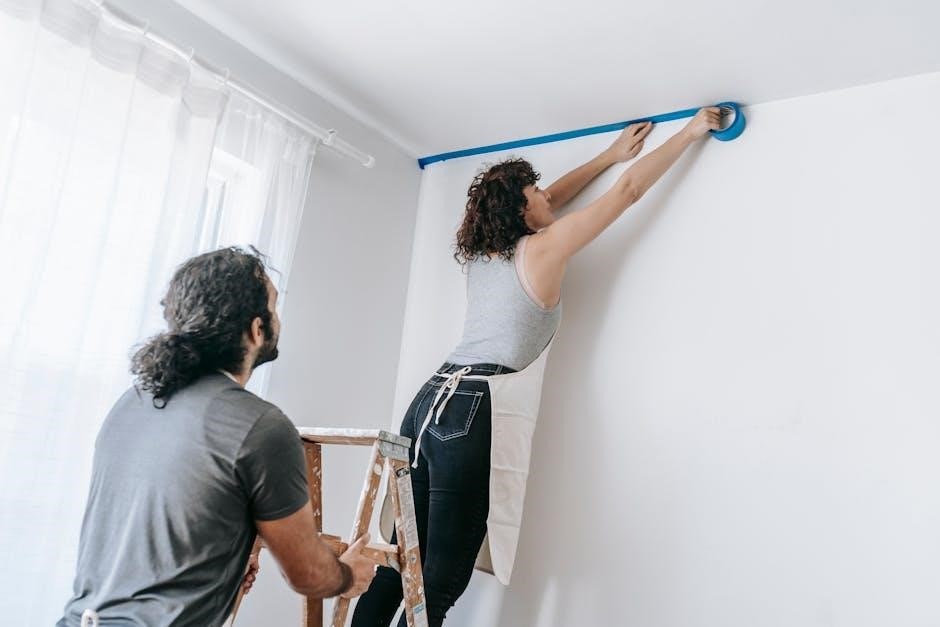
Proper preparation includes taping off areas, using drop cloths, and ensuring adequate ventilation. When painting, start with “cutting in” – applying paint to edges and corners with a brush. Then, use a roller or sprayer for larger areas, maintaining a wet edge to avoid lap marks. Apply thin, even coats, allowing each coat to dry completely before applying the next. Avoid overworking the paint, as this can lead to brushstrokes or roller stipple. Cleaning tools immediately after use is crucial for preserving their quality and extending their lifespan.
Cleaning and Maintaining Painted Surfaces

Regular cleaning and maintenance are essential for preserving the beauty and longevity of painted surfaces. The appropriate cleaning method depends on the paint finish and the type of dirt or stain. For flat or matte finishes, gentle dusting with a soft cloth is often sufficient, as aggressive cleaning can damage the finish. Eggshell, satin, and semi-gloss finishes are more durable and can withstand mild cleaning with a damp cloth and mild detergent.
Avoid abrasive cleaners or scrub brushes, as these can create unsightly marks. Grease and grime may require a degreasing cleaner, while mildew can be removed with a bleach solution (always test in an inconspicuous area first). Promptly address spills and stains to prevent them from setting. Periodically washing painted surfaces, especially in high-traffic areas, helps remove accumulated dirt and maintain a fresh appearance; Protecting paint from direct sunlight and extreme temperatures also contributes to its long-term durability.
Troubleshooting Common Paint Problems
Even with careful preparation and application, paint problems can occur. Blistering often indicates moisture trapped beneath the paint film, requiring scraping, sanding, and re-priming. Cracking can result from applying paint too thickly or over inflexible surfaces; address by removing loose paint and applying flexible caulk. Peeling is usually caused by poor adhesion, often due to painting over dirty or glossy surfaces – thorough cleaning and priming are crucial.
Lap marks, visible brushstrokes, or roller marks can be minimized with proper application techniques, maintaining a wet edge, and using high-quality tools. Color inconsistencies may stem from inadequate mixing or variations in surface porosity; ensure thorough mixing and apply multiple coats. Mildew growth requires cleaning with a bleach solution and addressing the underlying moisture source. Addressing these issues promptly prevents further damage and ensures a lasting, beautiful finish. Always test solutions in an inconspicuous area first.
Leave a Reply
You must be logged in to post a comment.