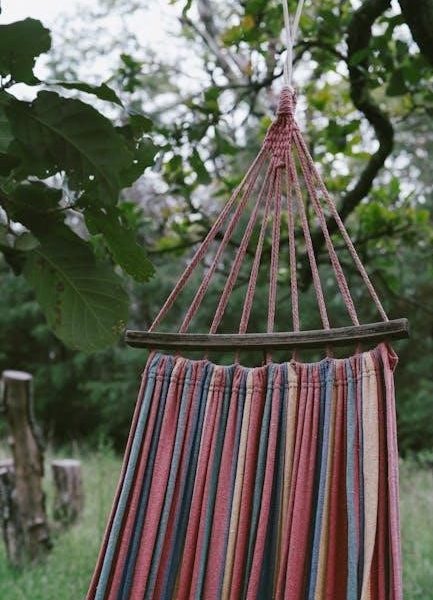
gear guide hammock
Hammock Gear Guide: A Comprehensive Overview
Embarking on hammock camping requires careful gear selection, encompassing hammocks, suspension systems, and weather protection. Prioritize bug nets, comfortable pillows, and appropriate lighting for a serene experience.
Choosing the Right Hammock
Selecting the ideal hammock hinges on intended use and personal preference. Consider hammock size – longer hammocks offer a flatter lay, enhancing comfort for extended periods. Material choices are crucial; nylon is lightweight and quick-drying, while polyester boasts superior durability and resistance to stretching.
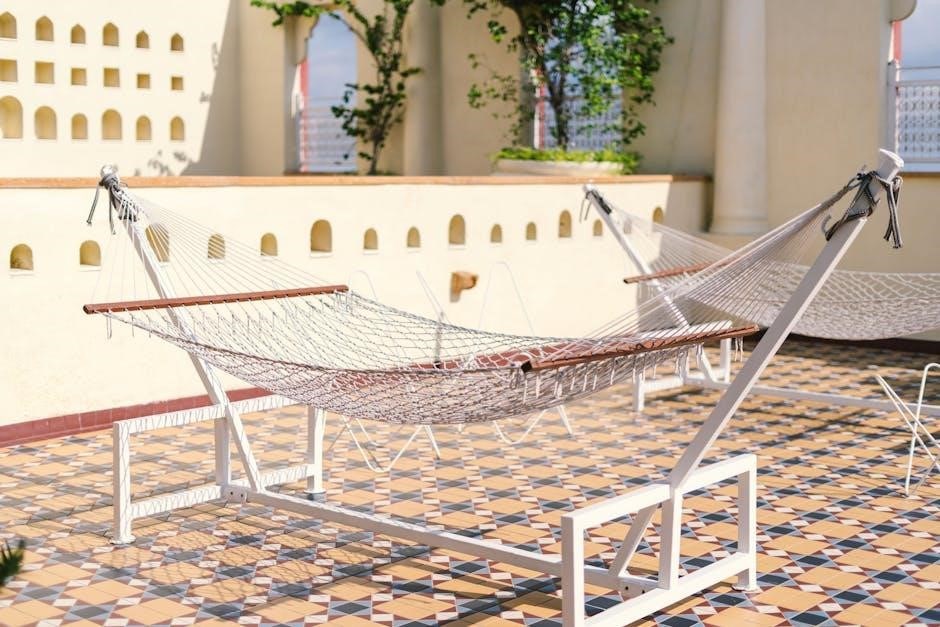
Weight capacity is paramount, ensuring the hammock safely accommodates your body weight plus gear. Explore gathered-end versus spreader-bar hammocks. Gathered-end models, favored by backpackers, conform to the body, offering a cocoon-like feel. Spreader-bar hammocks maintain an open shape, resembling a traditional bed, ideal for lounging.
Think about the environment. For bug-prone areas, integrated bug nets are invaluable. If anticipating colder temperatures, consider hammocks with underquilt attachment points. Don’t overlook the suspension system compatibility – ensure the hammock’s end channels align with your chosen suspension method. Ultimately, the “right” hammock is one that prioritizes your comfort, safety, and the specific demands of your adventures.

Hammock Materials and Construction
Hammock construction significantly impacts durability, weight, and comfort. Nylon, a common choice, offers a favorable strength-to-weight ratio and packs down small. However, it can stretch when wet. Polyester, while slightly heavier, exhibits greater resistance to stretching and UV degradation, making it ideal for long-term use.
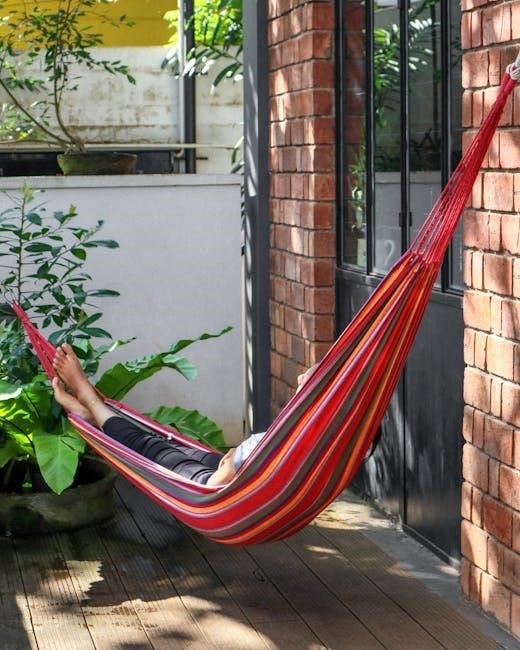
Diamond ripstop weaves are prevalent, preventing tears from spreading. Denier (D) indicates yarn thickness; higher denier fabrics are more robust. Consider fabric coatings for water resistance – polyurethane (PU) or silicone (Silnylon) are popular options. Stitching quality is critical; reinforced seams and bar tacking at stress points enhance longevity.
Hammock end channels, where suspension lines attach, should be robustly constructed, often utilizing multiple layers of fabric. Look for hammocks with continuous gathers, distributing weight evenly. The overall build quality reflects the manufacturer’s attention to detail, influencing the hammock’s lifespan and performance in diverse conditions. Careful material selection and construction techniques are vital for a reliable and comfortable hammock experience.
Suspension Systems: Types and Considerations
Effective suspension systems are crucial for a comfortable and secure hammock setup. Common types include webbing straps, ropes, and hybrid systems. Webbing straps, often made of polyester or nylon, are tree-friendly and distribute weight well, minimizing strain on bark. Ropes, traditionally Amsteel or similar, offer high strength but require tree protection.
Consider strap length and width; longer straps provide greater flexibility in finding suitable hanging points. Wider straps further reduce tree impact. Whoopie slings, adjustable loops of cordage, allow for precise hammock height and angle adjustments. Buckles and carabiners facilitate quick setup and takedown.
Weight capacity is paramount – ensure the system exceeds your combined weight and the hammock’s load limit. Evaluate ease of adjustment, especially in varying terrain. A well-chosen suspension system enhances comfort, protects the environment, and simplifies the hammock camping experience. Prioritize durability and reliability for a secure and enjoyable hang.
Ridgelines: Structural vs. Adjustable
Ridgelines are essential components influencing hammock hang geometry and comfort. They establish a consistent sag, preventing over-tightening or excessive drooping. Structural ridgelines, fixed in length, offer simplicity and reliability, ideal for frequently used hang spots with known tree distances. They streamline setup, ensuring a predictable and comfortable lay.
Adjustable ridgelines, utilizing whoopie slings or similar mechanisms, provide versatility for varying tree distances. This adaptability is invaluable when exploring new locations or encountering unpredictable terrain. Adjustable ridgelines allow fine-tuning of the hang angle, optimizing comfort and minimizing pressure points.
Consider the trade-offs: structural ridgelines are lighter and simpler, while adjustable ridgelines offer greater flexibility. Material strength is crucial for both types, supporting the hammock’s weight and occupant. Proper ridgeline tension contributes significantly to a balanced and relaxing hammock experience, enhancing overall comfort and enjoyment.
Weather Protection: Tarps and Rainflys
Effective weather protection is paramount for comfortable hammock camping, and tarps and rainflys are your primary defense. Tarps shield you from rain, wind, and sun, creating a dry and sheltered haven. They come in various shapes and sizes, influencing coverage and weight. Diamond tarps offer versatile configurations, while rectangular tarps provide maximum coverage with simpler setups.
Rainflys, often integrated with bug nets, provide a more complete enclosure, offering enhanced protection in inclement weather. Consider waterproof ratings and material durability when selecting a tarp or rainfly. Silnylon and silpoly are popular choices, balancing weight and water resistance.
Proper tarp setup is crucial, ensuring adequate coverage and preventing water pooling. Utilize guylines and stakes to secure the tarp, creating a taut and weatherproof barrier. A well-chosen tarp or rainfly transforms a potentially miserable experience into a cozy and enjoyable night under the stars, regardless of the elements.
Tarp Configuration Options
Selecting the right tarp configuration significantly impacts your hammock camping experience, offering varied levels of protection and coverage. The classic A-frame setup is simple and effective, providing a straightforward rain and sun shield. A modified A-frame, with offset ridgelines, maximizes usable space beneath the tarp.
The diamond configuration offers excellent wind protection and a compact footprint, ideal for exposed locations. A lean-to setup provides minimal coverage, suitable for mild weather or as a sunshade. Asymmetrical tarps allow for customized configurations, adapting to specific campsite layouts and prevailing wind directions;

Consider the anticipated weather conditions and campsite features when choosing a configuration. Practice setting up different configurations before your trip to ensure proficiency. Mastering tarp configurations enhances your adaptability and comfort, allowing you to enjoy hammock camping in diverse environments. Experimentation is key to finding what works best for you!
Underquilts: Staying Warm Below
Hammock camping presents a unique thermal challenge: compressed insulation beneath you loses its loft, leading to significant heat loss. Underquilts address this by providing a layer of insulation that wraps around the underside of your hammock, eliminating cold air circulation. They are arguably the most crucial component for comfortable cold-weather hangs.
Underquilts come in various shapes, sizes, and fill materials. Full underquilts offer complete coverage, while ¾ length versions balance warmth and weight. Down underquilts provide exceptional warmth-to-weight ratio but are sensitive to moisture. Synthetic underquilts retain warmth when wet, making them suitable for damp environments.
Proper fit is essential; the underquilt should fully enclose the underside of your hammock without gaps. Suspension systems, like whoopie slings or buckles, allow for adjustable positioning. Combining an underquilt with a top quilt creates a complete sleep system, ensuring a cozy and restful night in your hammock.
Top Quilts: Upper Body Insulation
Complementing an underquilt, a top quilt provides essential insulation for your upper body while hammock camping. Unlike traditional sleeping bags, top quilts are open-backed, eliminating unnecessary weight and bulk beneath you – where it’s compressed and ineffective. This design maximizes warmth while minimizing overall pack weight, a key consideration for backpackers.
Top quilts are available in various shapes, including rectangular, trapezoidal, and mummy styles. The choice depends on personal preference and desired level of thermal protection. Similar to underquilts, they come with down or synthetic fill options, each offering distinct advantages regarding warmth, weight, and moisture resistance.
Features like adjustable baffles and draft collars enhance warmth and customization. Properly sizing your top quilt ensures full coverage without excessive material. When paired with a well-fitted underquilt, a top quilt creates a highly efficient and comfortable sleep system for enjoying nights suspended amongst the trees.
Bug Protection: Nets and Clothing
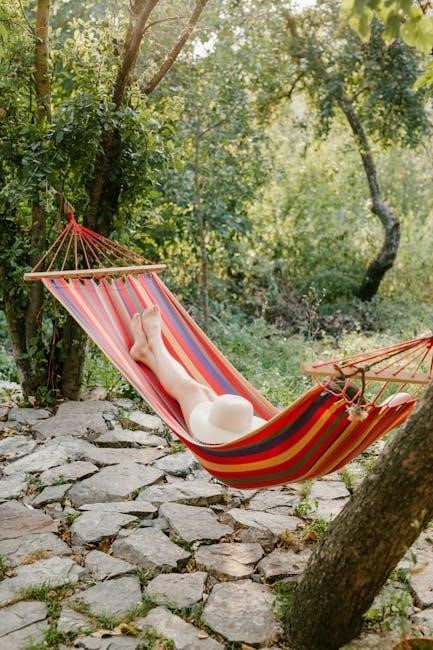
Protecting yourself from insects is paramount for enjoyable hammock camping. Mosquitoes, black flies, and other biting insects can quickly ruin an otherwise peaceful experience. Integrated bug nets are a popular and effective solution, often built directly into the hammock or available as separate accessories.
These nets create a sealed environment, preventing insects from accessing your sleeping space. When choosing a bug net, consider mesh size – smaller mesh offers better protection against no-see-ums but may reduce airflow. Alternatively, or as a supplement, wearing appropriate clothing can significantly reduce bug bites.
Long sleeves, pants, and socks treated with permethrin provide a physical barrier and insect repellent properties. Head nets offer additional protection for your face and neck. Combining a hammock with an integrated bug net and treated clothing provides a robust defense against even the most persistent insects, ensuring a comfortable night’s sleep.
Mosquito Net Integration
Seamless mosquito net integration is a key feature for comfortable hammock camping, eliminating the hassle of separate setups. Many modern hammocks are designed with integrated bug nets that deploy easily, offering a convenient all-in-one solution. These systems typically involve a zipper closure and shock cord to keep the net neatly stowed when not in use.
The integration method varies; some nets hang from the ridgeline, creating a spacious enclosure, while others are suspended from the hammock’s suspension lines. Consider the ease of use and the net’s coverage when selecting an integrated system. A well-designed integration ensures complete enclosure, preventing mosquitoes and other insects from entering your sleeping space.
Proper setup is crucial – ensure the net is fully zipped and secured to the hammock to maintain a bug-free environment. Integrated nets save weight and space, simplifying your camping setup and maximizing your enjoyment of the outdoors, offering peace of mind against pesky insects.
Hammock Pillows: Comfort and Support

Achieving a comfortable sleep in a hammock often requires a dedicated pillow, as traditional pillows don’t translate well to the curved sleeping surface. Hammock pillows are designed to provide optimal neck and head support, enhancing sleep quality during your outdoor adventures. Several options cater to different preferences and weight considerations.
Inflatable pillows are popular due to their compact packability and adjustable firmness. Foam pillows offer a more traditional feel but are generally bulkier. Some campers opt for clothing-stuffed pillowcases as a lightweight alternative, though comfort levels may vary. Consider the pillow’s shape and size to ensure it fits comfortably within your hammock.
Prioritize pillows made from comfortable, breathable materials. A good hammock pillow will prevent neck strain and promote restful sleep, contributing significantly to an enjoyable camping experience. Don’t underestimate the impact of a well-chosen pillow on your overall comfort and well-being in the hammock.
Lighting for Hammock Camping
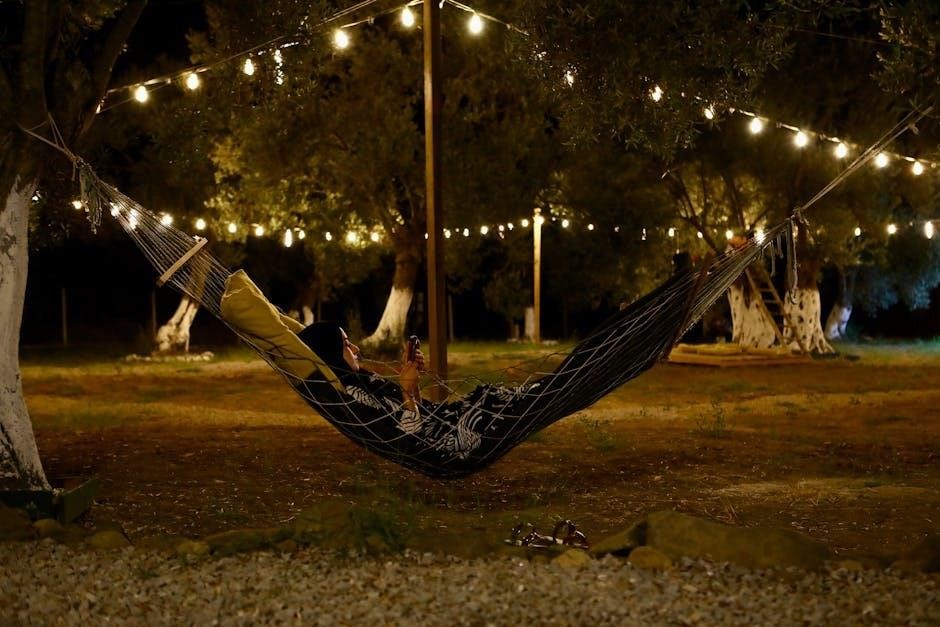
Effective lighting is crucial for safety and convenience during hammock camping, extending usability beyond daylight hours. Several lighting options cater to different needs, ranging from ambient illumination to focused task lighting. Headlamps are essential for hands-free operation, allowing for easy navigation and campsite tasks.
Lanterns provide broader, diffused light, creating a more inviting atmosphere within your hammock setup. Consider LED lanterns for their energy efficiency and long runtimes. String lights can add a decorative touch and provide subtle ambient lighting around your campsite. Ensure your chosen lighting system is waterproof or water-resistant to withstand unexpected weather conditions.
Battery life and weight are important factors when selecting lighting gear. Rechargeable options can reduce reliance on disposable batteries. A compact camp light, like a Helinox Zero high back, can provide a comfortable and illuminated space for reading or relaxing in your hammock. Prioritize reliable and efficient lighting for a safe and enjoyable experience.
Essential Backpacking Gear Complements
While a hammock setup provides sleep and shelter, successful backpacking necessitates complementary gear for safety, sustenance, and overall comfort. A well-stocked first aid kit is paramount, addressing potential injuries from minor scrapes to more serious incidents. Extra rope proves invaluable for various tasks, including clotheslines, repairs, and emergency situations.
A suitably sized backpack is crucial for carrying all your gear, ensuring a comfortable and balanced load. Select a pack with adequate capacity and adjustable straps for optimal fit. A backpacking stove and fuel source are essential for preparing hot meals and beverages, boosting morale and energy levels.
Don’t overlook navigation tools like a map and compass, or a GPS device, especially in unfamiliar terrain. Hydration is key; carry sufficient water or a water filter/purifier. Consider trekking poles for added stability and reduced strain on joints. These complements enhance the hammock camping experience, transforming it into a fully equipped backpacking adventure.
First Aid and Repair Kits
When venturing into the backcountry with a hammock, comprehensive first aid and repair kits are non-negotiable. A first aid kit should include bandages of various sizes, antiseptic wipes, pain relievers, blister treatment, and any personal medications. Consider adding items specific to the environment, such as insect sting relief or snake bite kits.
Equally important is a repair kit tailored to your hammock system. This should encompass strong cordage for suspension repairs, patches for your hammock and tarp, and a multi-tool with pliers and a knife. Duct tape, renowned for its versatility, can address a multitude of temporary fixes.
Think proactively about potential failure points – suspension straps, buckles, and even the hammock fabric itself. Regularly inspect your gear for wear and tear, and practice basic repair techniques before your trip. A well-prepared kit can transform a minor inconvenience into a manageable situation, ensuring a safe and enjoyable hammock camping experience.
Hammock Specific Accessories
Beyond the core hammock setup, several accessories significantly enhance comfort and functionality. A dedicated hammock pillow, whether inflatable or filled, provides crucial head and neck support, surpassing makeshift options. Consider a gear loft or organizer to keep essentials like headlamps and phones readily accessible within your hammock.
For those seeking ultimate relaxation, a Helinox Zero high-back chair offers a luxurious seating option at camp. Specialized hammock stands are available for setup in areas lacking suitable trees, expanding your camping possibilities. Integrated bug nets, or separate mosquito netting systems, are vital for pest-free enjoyment.
Don’t overlook the convenience of a hammock sock or stuff sack, simplifying packing and protecting your hammock from abrasion. Finally, a camp light designed for hanging provides ambient illumination without disturbing fellow campers. These thoughtful additions elevate the hammock camping experience from basic survival to refined outdoor leisure.
Packing and Weight Considerations
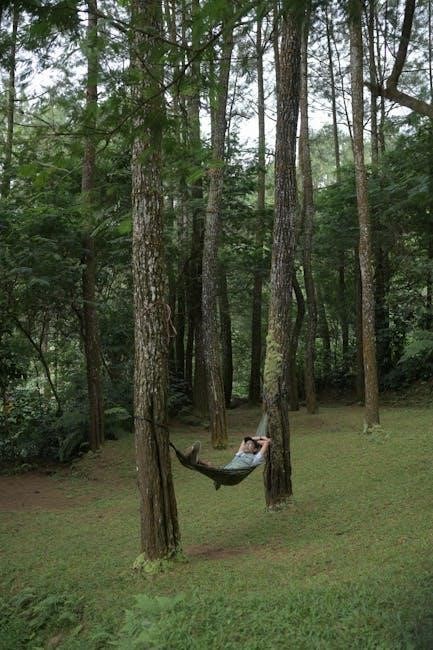
Minimizing weight and maximizing packability are paramount for backpacking hammock campers. Opt for lightweight hammock materials like ripstop nylon or polyester, and prioritize compact suspension systems. Every ounce counts, so carefully evaluate the necessity of each accessory.
Utilize compression sacks to reduce the volume of bulky items like underquilts and sleeping bags. A well-organized backpack with strategic weight distribution enhances comfort during hikes. Consider a dedicated hammock bag or stuff sack to protect your hammock and streamline packing.
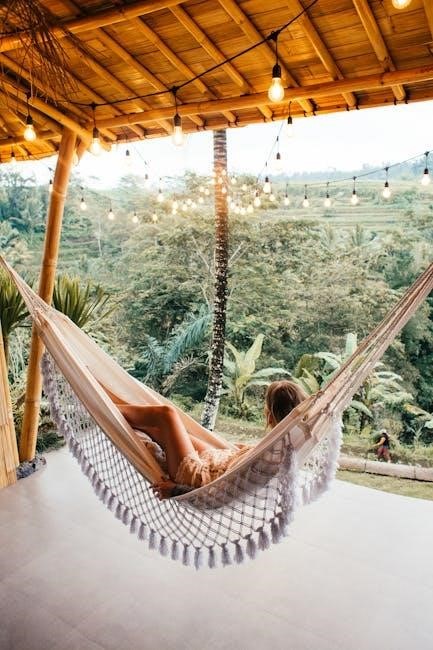
Remember to factor in the weight of essential items like tarps, bug nets, and lighting. A balanced approach—investing in lightweight core components while being mindful of accessory weight—is key. Efficient packing techniques, such as utilizing every available space within your backpack, will contribute to a more enjoyable and manageable trek. Prioritize essential gear and leave non-critical items behind.
Leave a Reply
You must be logged in to post a comment.